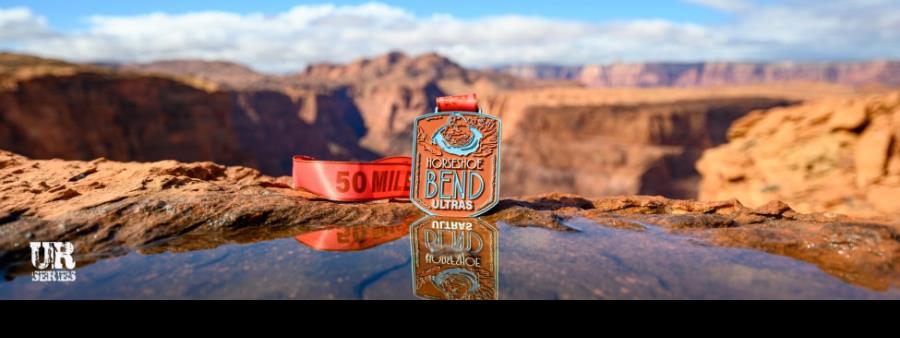
Horseshoe Bend Ultras scenery

Horseshoe Bend Ultras

Home » Races » Page » Horseshoe Bend Ultras
Date
October 17, 2026
Starting Time

7:30 AM MST

Course

Trail

Fees

$85-$120

Location

Page

Participants

100-500

Terrain

Some Hills

Environment

Mountain Views, Desert, Riverfront

Temperature
High: 75°
/ Low: 35°
Perfect For:
Fun Run
Destination Race
Well Organized
Overview

The Horseshoe Bend Ultras is a desert trail event staged outside Page, Arizona, near the iconic Colorado River overlook at Horseshoe Bend. Set in high desert terrain at approximately 4,300 feet elevation, the race combines runnable singletrack with exposed slickrock, sandy stretches, and rolling desert climbs.

INDEPENDENT RUNNER INSIGHTS

Independent runner commentary is available across ultra blogs, UltraSignup reviews, and trail running forums.

What Runners Consistently Praise

“Incredible scenery the entire time.” — UltraSignup review (multiple-year participant)

“Very runnable for an ultra.” — UltraSignup review

“Well marked course and great volunteers.” — Trail running blog recap

“Aid stations were stocked better than many larger ultras.” — UltraSignup finisher comment

Common Critiques or Challenges

“More climbing than the elevation chart suggests.” — UltraSignup review

“The sand can really sap your energy.” — Personal race blog recap

“Exposure to sun becomes tough in the afternoon.” — UltraSignup review

Overall Sentiment

The prevailing theme is that Horseshoe Bend Ultras delivers high scenic value with moderately challenging desert terrain. Runners frequently describe it as runnable but deceptively fatiguing due to constant rollers and footing variability. Organization and course marking are commonly rated positively. The most consistent cautions involve sun exposure and the energy cost of sand.


Course Description

Elevation Profile

The course is best described as consistently rolling with punchy climbs rather than sustained mountain ascents. None of the distances are flat. The half marathon and marathon distances share portions of the longer ultra routes, featuring steady undulations that accumulate meaningful vertical gain. Climbs tend to be short but repetitive, gradually wearing on the legs rather than delivering one defining ascent.

Surface & Technicality

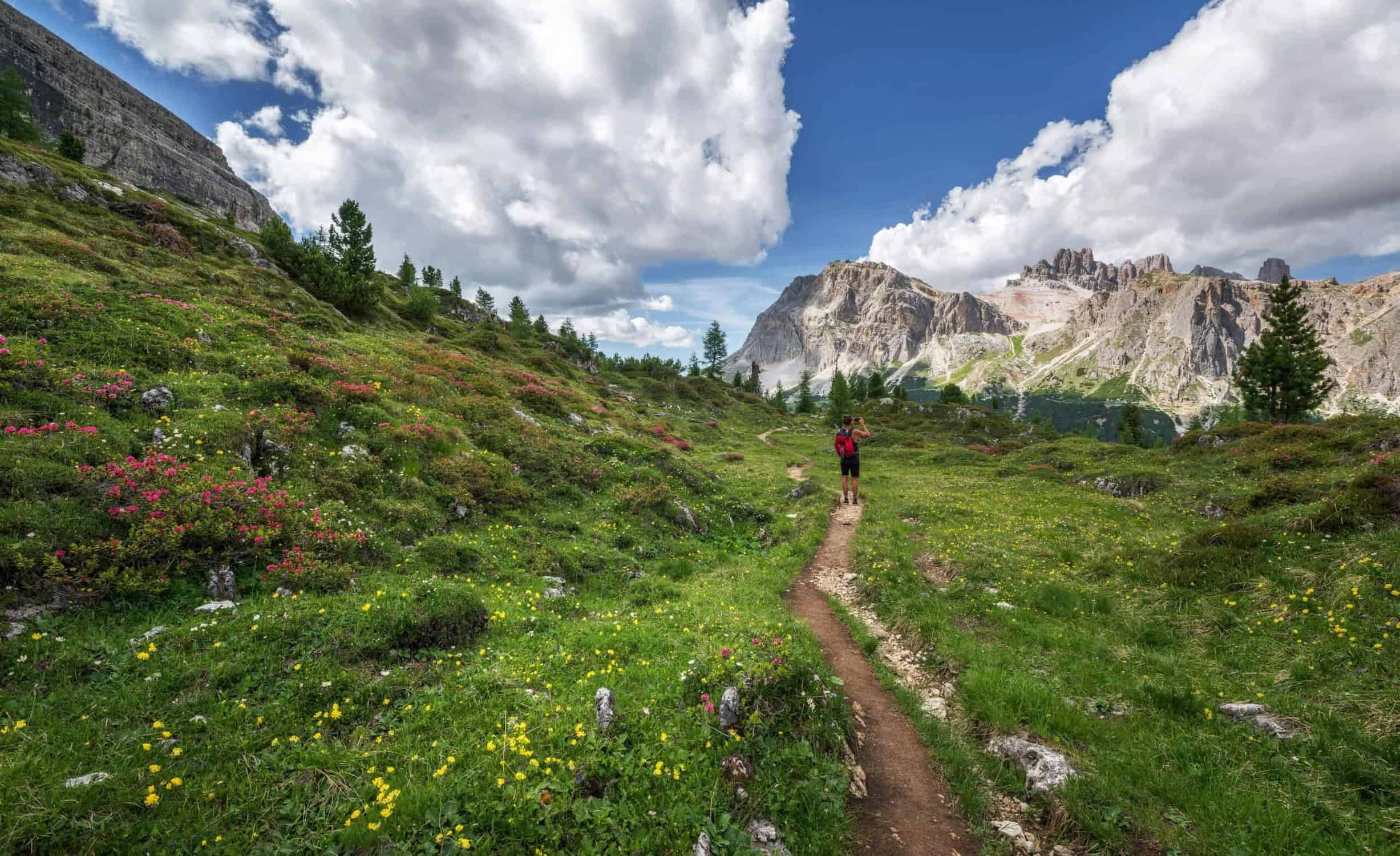
Trail surfaces vary: packed desert dirt, sandy washes, rock slabs, and occasional jeep roads. Footing is generally runnable but requires attention in sandy or rocky segments. There are exposed sections with limited shade, making temperature management important, especially for longer distances.

Course Character

Opening Miles: Gradual rollers allow runners to establish rhythm, though elevation changes begin early.

Middle Sections: More remote desert terrain with wider vistas toward Lake Powell and Glen Canyon. This is where cumulative climbing becomes noticeable.

Later Miles: Repetitive rolling terrain returns runners toward aid stations and the finish zone near Page.

Aid stations are spaced appropriately for ultra standards and are generally well-stocked. Spectator presence is minimal beyond start/finish due to the remote desert setting.

Difficulty & Suitability

While not mountainous, the race is not beginner-flat. The combination of altitude (~4,300 ft), sun exposure, and rolling terrain makes pacing discipline important. Strong trail runners will find much of the course runnable, but sand and rock disrupt rhythm.

This event is best suited for trail runners seeking a scenic desert destination race with moderate vertical gain rather than extreme alpine terrain. The setting near Horseshoe Bend adds visual appeal that distinguishes it from more forested or mountainous ultras.

Ready to sign up?

Train with Runna

Use code HALF for 2 weeks FREE

Ready to sign up?

Half marathon news, reviews, and discounts right to your inbox

Half Marathon Guide's 'Perfect For'

Let others know what makes this race so special.